Dunellen General Contractor for Residential Renovation and Remodeling
Dunellen General Contractor for Residential Renovation and Remodeling
Blog Article
Why Picking the Correct General Contractor Is Critical for Your Project
Identifying the right general contractor is a fundamental call that can greatly influence a project's success. A fit contractor secures well-organized handling and adherence to financial plans. Their competence to traverse challenges and foster distinct messaging is essential. However, many project principals overlook critical variables in this vetting process. Understanding these particulars can advance to better outcomes and increased contentment. What should one think about when conducting this important choice?
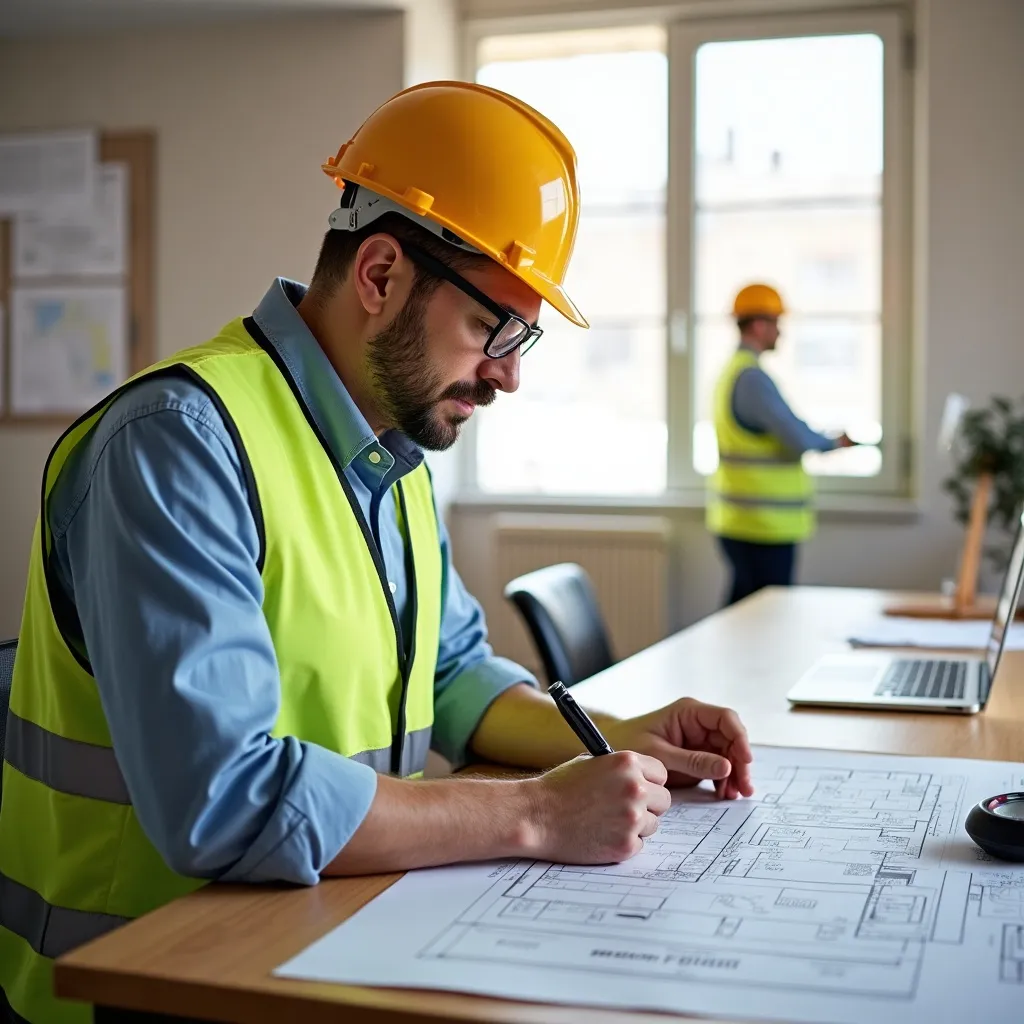
Regular Hurdles in Picking a General Builder
When selecting a general contractor, prospective customers often encounter numerous typical difficulties that can hinder the decision-making process. One major obstacle is the overwhelming number of options available, which can lead to confusion and indecision. Customers may find it hard to distinguish among contractors based on qualifications, experience, and pricing, rendering it challenging to identify who will best meet their construction requirements.
One issue is the insufficient openness in contractor bids, where hidden costs may appear later, altering the project budget. In addition, clients may encounter difficulties involving dialogue; some contractors may fail to maintain client awareness during the process, producing frustration. Lastly, clients often contend with verifying a contractor's references and past work, which can create uncertainty regarding the standard of service expected. These complications demand careful consideration and research to guarantee the appropriate selection is made.
Why a Solid Building Contractor Matters
A trustworthy general contractor serves an essential role in ensuring project management efficiency and maintaining quality assurance standards. Their knowledge helps optimize processes, reducing delays and costs. Additionally, a dependable contractor upholds high standards, resulting in superior craftsmanship and customer satisfaction.
Optimize Assignment Administration Output
Efficient project handling depends on the trustworthiness of a general contractor. A dependable contractor ensures that timelines are followed, resources are properly allocated, and communication runs seamlessly among all stakeholders. Their competence in coordinating subcontractors, suppliers, and laborers directly impacts the progress and overall success of the project. A reliable contractor minimizes delays and cost overruns This effectiveness fosters a cooperative setting supporting necessary modifications and enhancements. Ultimately, the general contractor's trustworthiness enhances both the operational facets of the project and confidence among clients and team members, ensuring everyone stays aligned toward a successful outcome.
Premium Assurance Standards
Reliable general contractors play a pivotal role in upholding quality assurance standards throughout a project. They ensure that all work meets established guidelines and industry best practices, which is essential for the longevity and safety of the structure. A competent contractor exercises rigorous oversight of materials and workmanship, carrying out regular inspections to identify and rectify issues promptly. This proactive approach mitigates risks associated with subpar construction, ultimately protecting the investment. Moreover, a reliable contractor fosters communication among all stakeholders, making certain that expectations are clear and met. By prioritizing quality assurance, a skilled general contractor not only improves the final product but also establishes trust with clients, laying the groundwork for successful project outcomes.
Assessing a Builder's Experience and Reputation
When selecting a general builder, comprehending their experience and track record is critical, as these factors significantly impact project outcomes. A contractor's experience typically demonstrates their ability to manage various kinds of projects, challenges, and difficulties. Reviewing their portfolio offers perspective into previous projects, showcasing craftsmanship and attention to detail.
Additionally, credibility plays a vital factor in creating trust. Prospective clients ought to review online reviews, testimonials, and references to evaluate satisfaction levels from previous clients. Interacting with past customers can demonstrate the contractor's reliability, communication skills, and adherence to timelines and budgets.
Moreover, industry affiliations and certifications can enhance a contractor's authenticity, conveying a devotion to superior work and ethical practices. By thoroughly evaluating both experience and prestige, clients can determine the best choice, ultimately creating the conditions for a outstanding construction project.
Essential Characteristics of a Reliable Contractor
A reliable contractor regularly exhibits honesty, openness, and strong communication skills. These essential qualities create the foundation of a successful professional partnership. Integrity guarantees the contractor adheres to moral standards, offering truthful evaluations and realistic schedules. Transparency involves fully disclosing assignment information, encompassing expenses and potential challenges, fostering confidence between the contractor and the client.
Strong interpersonal abilities facilitate the contractor to convey ideas effectively, understand client preferences, and resolve any issues that occur during the project. Additionally, a trustworthy contractor exhibits flexibility, adjusting to shifts and unforeseen circumstances with poise and resilience. Attention to detail is another key trait; it shows a commitment to quality and accuracy in every aspect of the work. Ultimately, these traits not only improve project outcomes but also contribute to a positive experience for clients, making the selection of a dependable contractor all the more critical.
Critical Topics to Ask When Working With Your General Contractor?
How might someone guarantee they select the correct general contractor for their assignment? By asking a series of focused questions, potential clients can better assess candidates. Initially, inquiring about the contractor's experience with like projects offers insight into their expertise. It's also important to ask for references; talking with previous clients can uncover the contractor's dependability and standard of work.
Next, discussing licensing and insurance verifies that the contractor satisfies legal requirements and safeguards the client from potential liabilities. Clients should also inquire about timelines and project management approaches to assess how the contractor plans to handle the project efficiently.
Budget meetings are important; asking for a thorough estimate prevents surprise costs later. Finally, grasping the contractor's preferred way of communicating can lay the groundwork for a successful partnership. By tackling these key questions, clients can choose wisely in selecting their general contractor.
Strong Exchange With Your Contractor
Effective interaction with a contractor is critical for project success. Setting clear expectations and communicating timely updates can avoid misunderstandings that often lead to costly delays. Additionally, promoting an open dialogue establishes credibility, guaranteeing a smoother collaboration throughout the construction phase.
Clear Expectations Create Success
Setting definite expectations is important for a effective partnership with a general contractor. Transparent communication builds the foundation for understanding the project's goals, deadlines, and budget limits. When both sides voice their needs and concerns, it minimizes the chance report of misunderstandings that could impede progress. A contractor who grasps the exact requirements can allocate resources efficiently and tackle potential problems proactively. Furthermore, having definite expectations promotes accountability, making sure that the contractor fulfills promises and that the homeowner stays engaged in the process. Prioritizing open communication from the start allows clients to strengthen teamwork and satisfaction, ultimately resulting in a smoother project delivery. Clear expectations optimize processes but also cultivate trust between the homeowner and the contractor.
Timely Information Avoid Misunderstandings
Setting clear expectations establishes the groundwork for cooperative achievement, though steady communication is equally critical. Frequent updates from a construction professional can avert miscommunication that may arise in the course of a undertaking. As builders regularly share project updates, clients remain informed about project schedules, financial adjustments, and anticipated challenges. This forward-thinking communication aids in align each party's expectations and lowers the possibility of disputes down the road. Similarly, if issues develop, prompt communication allows for faster resolutions, maintaining the project on track. By building a climate of transparent exchange, contractors demonstrate their dedication toward the undertaking's success, ultimately leading to a better-organized workflow and greater client contentment. Consequently, prompt updates function as a cornerstone for maintaining clarity and confidence within the building process.
Open Discourse Strengthens Trust
During a undertaking's development, maintaining an open dialogue with the general contractor becomes crucial for fostering reliance and partnership. Clear communication promises that all stakeholders have a clear understanding of expectations, timeframes, and potential issues. When project managers and clients engage in consistent dialogues, it allows for the identification of troubles before they multiply, minimizing setbacks. This transparency not only fosters belief but also enhances the overall construction experience. Additionally, an open line of communication supports feedback, allowing the construction expert to make adjustments that satisfy the client's desires. Finally, strong communication forms a base of reciprocal appreciation, which is essential for the proper completion of any construction job. Trust cultivated through conversation leads to greater success for everyone taking part.
Commonly Asked Questions
How do I establish whether a Contractor legitimately registered?
To check if a contractor is licensed, one should review local regulatory agencies and online platforms, confirm their license number, and confirm it's active. Additionally, reviewing online reviews can provide understanding of their credibility and reliability.
What Policies Does My Contractor Need?
A professional needs to secure general liability insurance, worker protection insurance, and, if applicable, professional liability insurance. These cover potential damages, workplace injuries, and errors in workmanship, ensuring financial protection for both the professional and the client.
How Do I Validate a Contractor's References?
To examine a contractor's references, one should obtain a list of previous clients, communicate with them in person, and ask about their experiences. Moreover, exploring online reviews and ratings can give helpful perspectives into the contractor's reliability.
What Ought I Execute if Issues Emerge During the Project?
If difficulties surface during the project, one should record the problems, communicate directly with the contractor, and achieve a resolution. If required, involving a third party or consulting a legal professional may also be warranted.
Do You Need to Identify Red Flags Throughout the Employment Selection Process?
Caution signs throughout the hiring process include vague estimates, lack of references, substandard communication, inadequate licenses, and negative online reviews. These indicators suggest conceivable complications that could alter the timeline and quality of the project.
Report this page